
Ahara – The Art Of Eating For Health
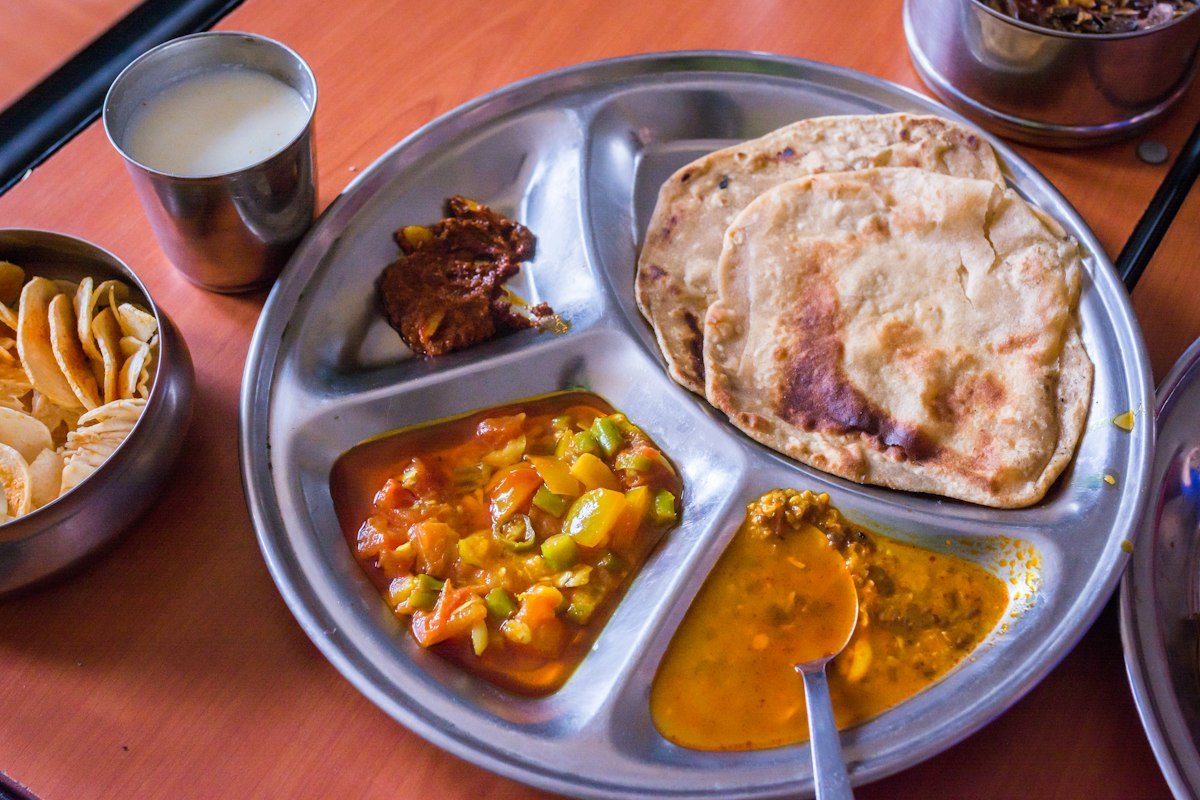
Beyond Calories: How Food, Awareness and Individuality Shape Our Wellbeing
🍲 AHARA – THE ART OF EATING FOR HEALTH
Beyond Calories: How Food, Awareness and Individuality Shape Our Wellbeing
Food is nourishment.
But food is also culture.
For Indian families, food may represent:
Tradition
Family
Celebration
Comfort
Hospitality
Memory
Therefore, healthy eating should not mean rejecting our food culture.
It should mean improving the way we understand it.
What Does a Healthy Diet Look Like?
WHO describes healthy eating around the principles of adequacy, balance, moderation and diversity. Diets should emphasize a variety of nutritious foods while limiting excessive unhealthy fats, free sugars and sodium. (World Health Organization)
For an Indian household, this can include:
Dal
Beans
Vegetables
Fruits
Whole grains
Millets
Nuts
Seeds
Appropriate dairy
Other suitable protein sources
The Ayurvedic Question
Ayurveda traditionally asks not only:
What did you eat?
but also considers:
How much?
When?
How was it prepared?
What is the person's constitution?
What is the season?
How is digestion?
What is the individual's health status?
Mindful Eating
Try:
Sit down to eat.
Reduce unnecessary distractions.
Eat slowly enough to notice the meal.
Stop before habitual overeating.
Notice recurring food-related symptoms.
Keep meals enjoyable.
Do Not Turn Ayurveda Into Food Fear
A healthy diet does not require fear of every combination.
Not every digestive symptom means a "wrong food combination."
Not every craving indicates a Dosha imbalance.
Not every traditional food rule applies identically to every person.
The best diet is one that nourishes you, suits your circumstances and can be sustained.
Dr. Nishigandha Chaudhari
Founder & Director at ANUKUL Health and Vastu Harmony Clinic. Specialising in non-destructive spatial harmonisation, classical Ayurveda health consultations, and constitutional living balance.