
Yoga, Pranayama & Movement
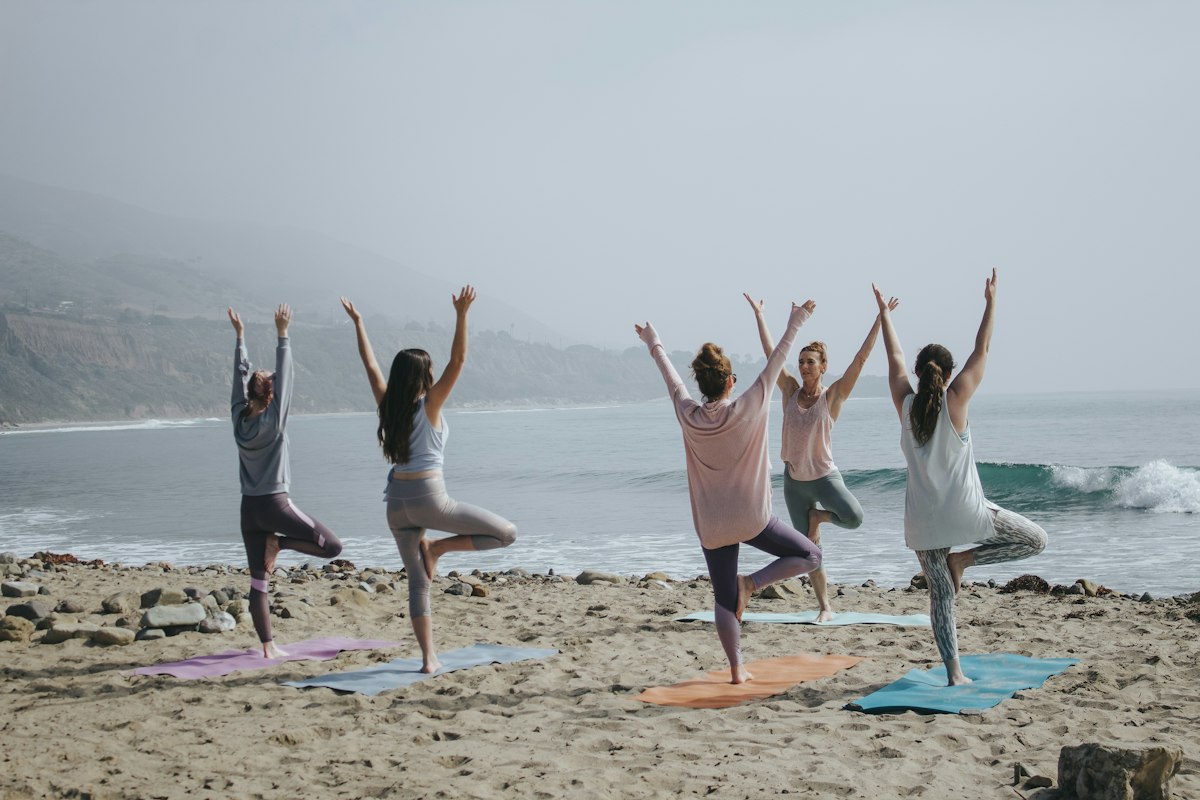
From Stiffness to Strength: Making Movement Part of Everyday Life
🧘 YOGA, PRANAYAMA & MOVEMENT
From Stiffness to Strength: Making Movement Part of Everyday Life
Our ancestors moved because life required movement.
Modern life allows us to avoid it.
We sit in cars.
We sit at desks.
We sit while eating.
We sit while watching television.
We may then drive to the gym to exercise for 30 minutes.
Movement should become broader than exercise alone.
Yoga as a Lifestyle Practice
Yoga combines physical postures, breathing practices and meditation in many modern forms.
Research suggests yoga may support stress management, sleep, balance and general wellbeing, and may provide some benefit for certain pain conditions. (NCCIH)
But yoga is not risk-free.
Injuries can occur, especially with inappropriate or advanced practices.
People who are pregnant, older, injured or living with medical conditions may require modifications and professional guidance. (NCCIH)
Ayurveda and Vyayama
Traditional Ayurveda discusses Vyayama, or physical exercise, in relation to individual capacity.
This supports an important ANUKUL principle:
Exercise should be appropriate-not competitive with your body.
A Practical Movement Day
You might include:
Morning stretching
Walking
Stair use when appropriate
Strength training
Yoga
Household activity
Short movement breaks during work
WHO recommends regular physical activity and notes that doing some activity is better than none. (World Health Organization)

Dr. Nishigandha Chaudhari
Founder & Director at ANUKUL Health and Vastu Harmony Clinic. Specialising in non-destructive spatial harmonisation, classical Ayurveda health consultations, and constitutional living balance.