Vastu Shastra: The Ancient Indian Art of Living in Harmony With Space
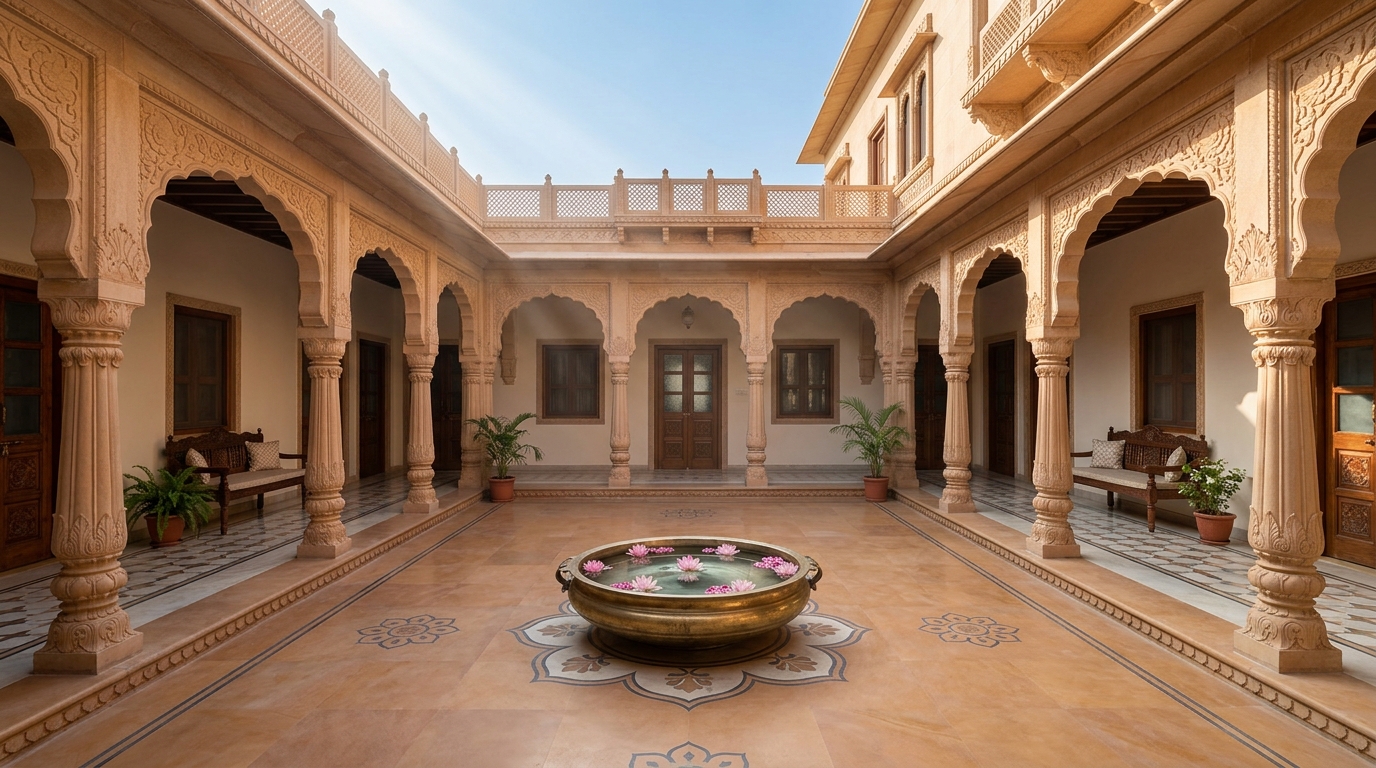
ANUKUL Vastu Knowledge Series • Article 1 of 30
“The Ancient Indian Art of Living in Harmony With Space”
•
Founder & Director, ANUKUL Health & Vastu Clinic
A house is more than a structure.
It is where we wake up in the morning, prepare our first meal, interact with our family, work, study, rest, celebrate festivals, experience difficult moments and create memories.
The same principle applies to an office.
An office is not simply a collection of desks and computers. It is an environment in which people spend a significant portion of their lives pursuing a purpose.
A clinic is not merely a building with consultation rooms. It is a space where people arrive with concerns, expectations and vulnerability.
This is why the relationship between human beings and their surroundings has always mattered.
Vastu Shastra represents one traditional Indian approach to understanding this relationship.
diamond
What Is Vastu?
The word Vastu is traditionally associated with dwelling, habitation or a place of existence.
Vastu Shastra developed as a body of traditional knowledge concerned with architecture, orientation, spatial organization and the relationship between built environments and their occupants.
Traditional Vastu discussions may include
-
Direction -
Land -
Orientation -
Entrance -
Open space -
Room placement -
Five elements -
Proportion -
Central space -
Water -
Fire -
Movement -
Internal arrangements
Different Vastu traditions may interpret these principles differently.
Therefore, there is not always one universally accepted Vastu rule for every situation.
diamond
Why Does Vastu Still Interest People Today?
Modern human beings spend much of their lives indoors.
We live in apartments, work in offices, study in schools, visit hospitals and spend increasing amounts of time surrounded by artificial environments.
This creates an important question
diamond
How does the environment influence the way we experience life?
Modern building science already considers issues such as:
-
Indoor air quality -
Ventilation -
Lighting -
Noise -
Temperature -
Moisture -
Ergonomics -
Safety -
Accessibility -
Sanitation
Vastu approaches space through a different, traditional language.
ANUKUL believes these perspectives can be discussed together without confusing one with the other.
Vastu Should Not Create Fear
A responsible Vastu consultation should never make a family frightened of its own home.
A person should not be told that one direction automatically causes disease.
A business owner should not be told that one door guarantees bankruptcy.
A couple should not be told that one bedroom arrangement determines whether their marriage will survive.
Human life is far too complex for such absolute conclusions.
Health depends on many factors.
Relationships depend on communication, circumstances, personality and behaviour.
Business depends on strategy, market conditions, management, finance, customers and countless other factors.
Vastu can be one traditional lens through which a space is examined.
It should not be treated as the sole explanation for life events.
-
The ANUKUL Philosophy
Our approach begins with
Person → Purpose → Space → Lifestyle → Practicality → Traditional Vastu → Harmony
We ask
diamond
Who lives here?
diamond
How is the space used?
diamond
What is the purpose of the building?
diamond
What can realistically be changed?
diamond
What should not be changed?
diamond
Are safety and functionality adequate?
diamond
Which traditional Vastu principles are relevant?
diamond
What recommendation would actually be suitable?
This is Vastu with understanding rather than fear.
Have Questions About Your Space?
Schedule a thoughtful, non-destructive Vastu assessment with Dr. Nishigandha Chaudhari for your home, apartment, office, or commercial premises.
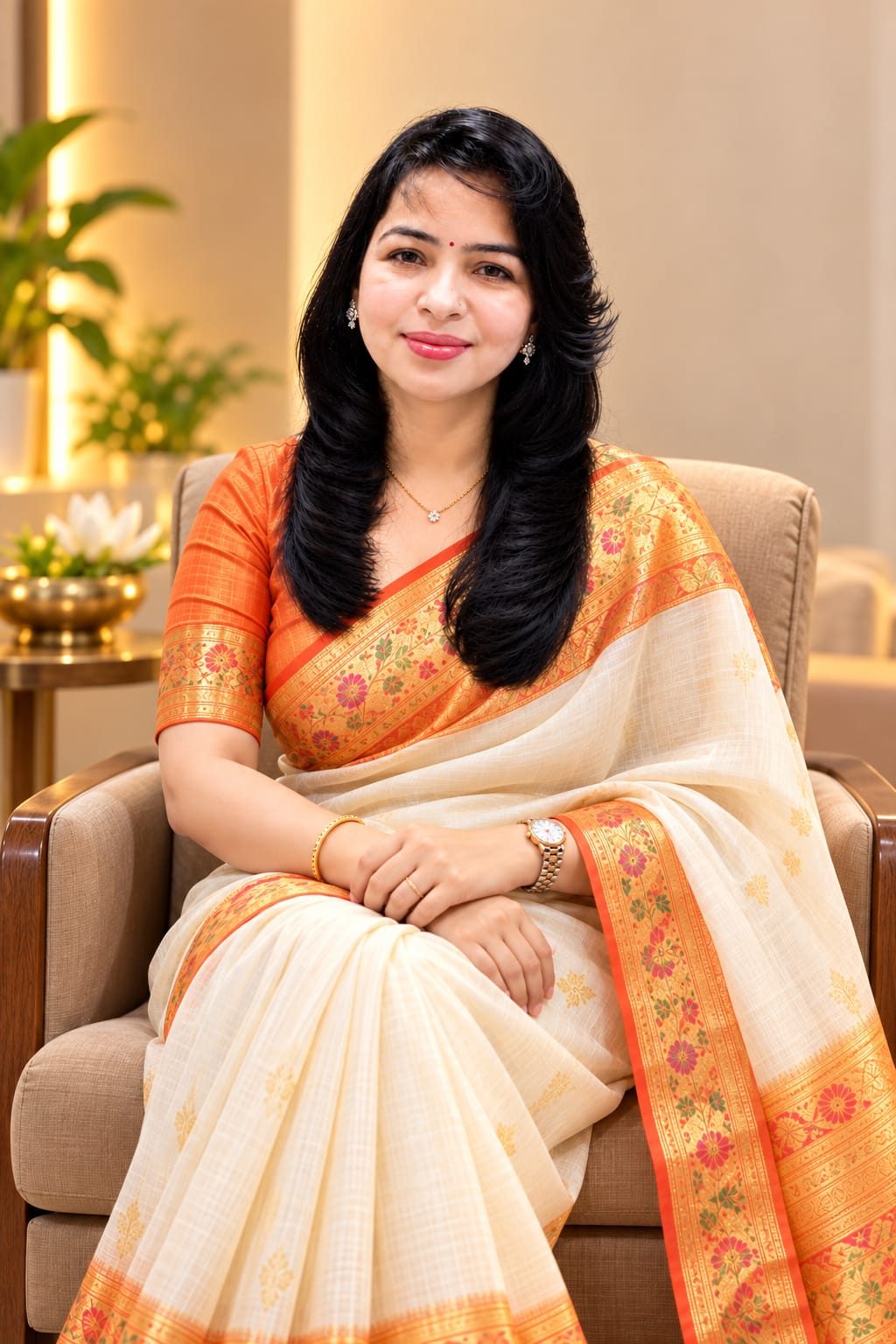
Dr. Nishigandha Chaudhari
Founder & Director at ANUKUL Health and Vastu Harmony Clinic. Specialising in non-destructive spatial harmonisation, classical Ayurveda health consultations, and constitutional living balance.